Electrolux links E20/E21/C2 with a drainage difficulty on documented appliances. Check the external hose first and open a filter only if your model manual allows it.
Symptoms · Diagnosis · Safe steps · When to stop · FAQ · Sources
Symptoms of E20, E21, or C2
The washer may stop with water in the drum, emit two beeps or two sets of flashes, or display E20/E21/C2. Electrolux connects this family with a drainage issue. Permitted checks depend on whether the model has an external drain filter and how its hose is installed. The code does not prove the pump has failed.
Diagnosis table
| Symptom | Documented likely cause | Next action |
|---|---|---|
| E20/E21/C2 with water left | Drainage is slow or blocked on applicable models | Check the manual, then inspect the external hose. |
| Two beeps or two flashes | Equivalent alert on some series | Count the sequence and confirm it for your reference. |
| External filter fitted | Debris may be present if maintenance is allowed | Unplug and drain slowly before opening it. |
| Code remains after external checks | Possible internal cause | Stop and arrange service. |
Check the drain path
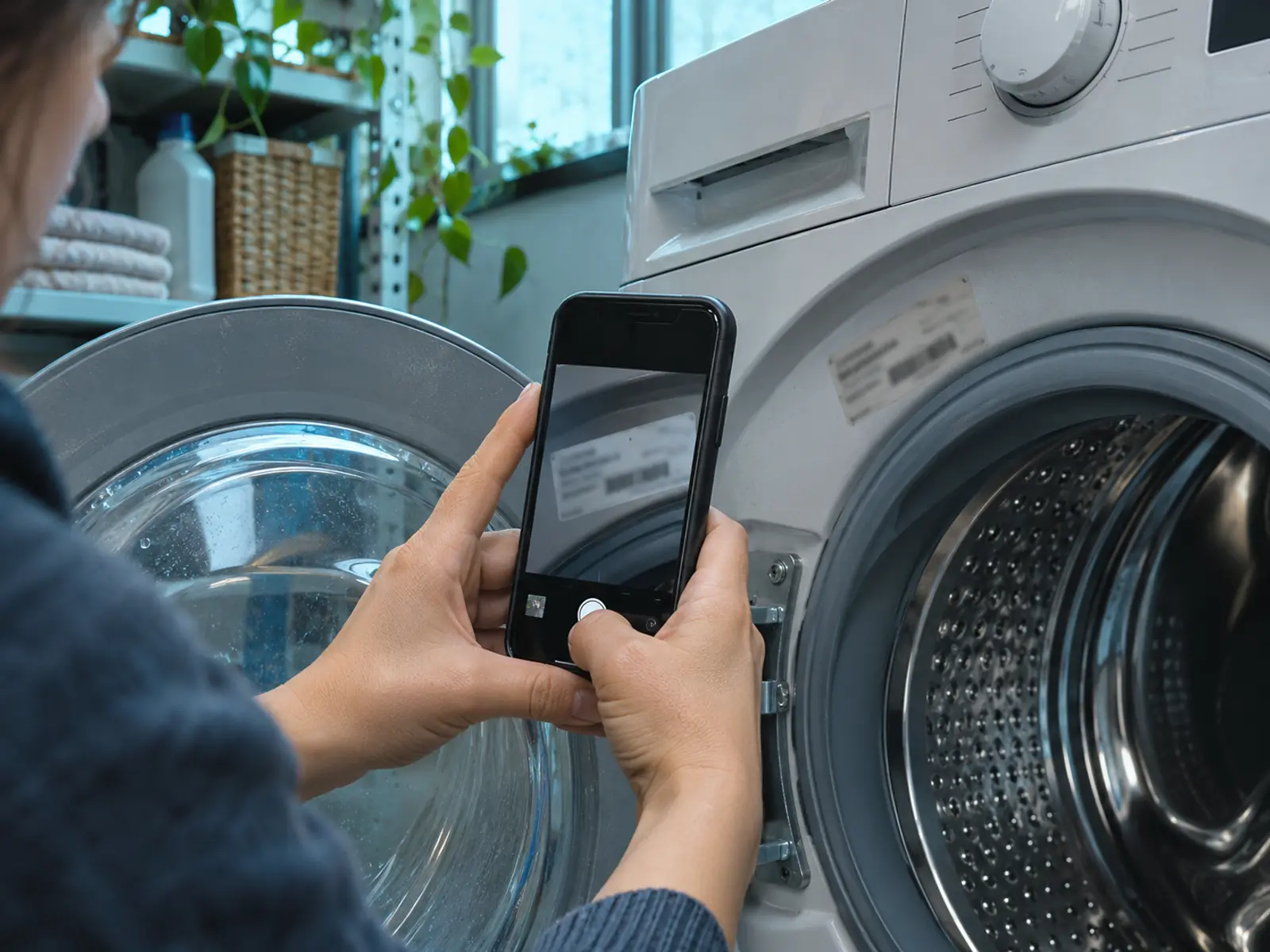
Record the code, signal, and full model number. Photograph the display or film the sequence; make sure the Electrolux page applies to your washer rather than another washer-dryer family.
Check: the model manual confirms E20/E21/C2. If it didn't work: ask Electrolux Support to confirm the code and sound pattern.
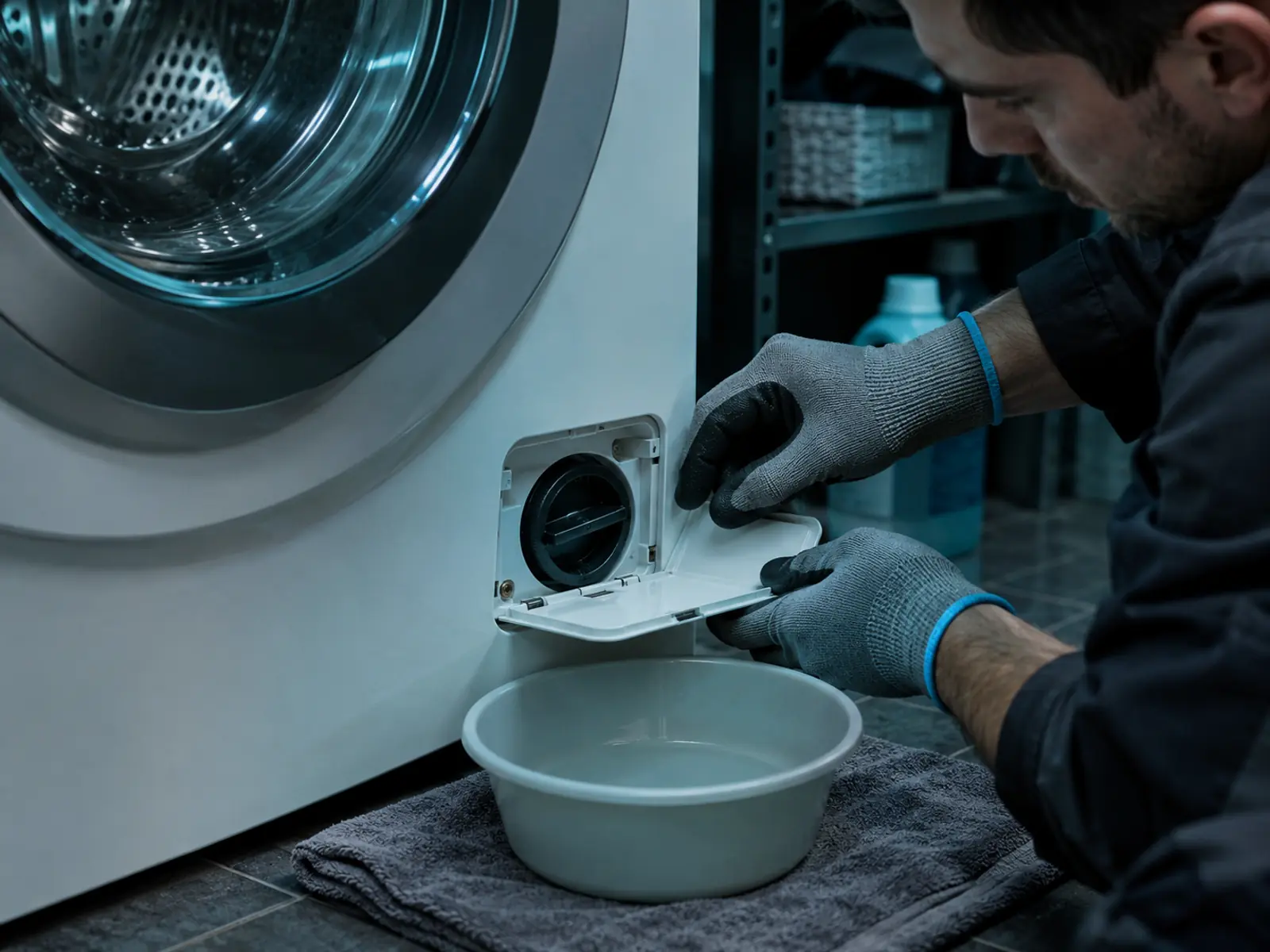
Stop the cycle and unplug before user maintenance. Let water cool. Prepare a shallow tray and towels; a full drum may drain in several rounds.
Check: power is off and the area stays dry. If it didn't work: do not dismantle anything; call a technician.
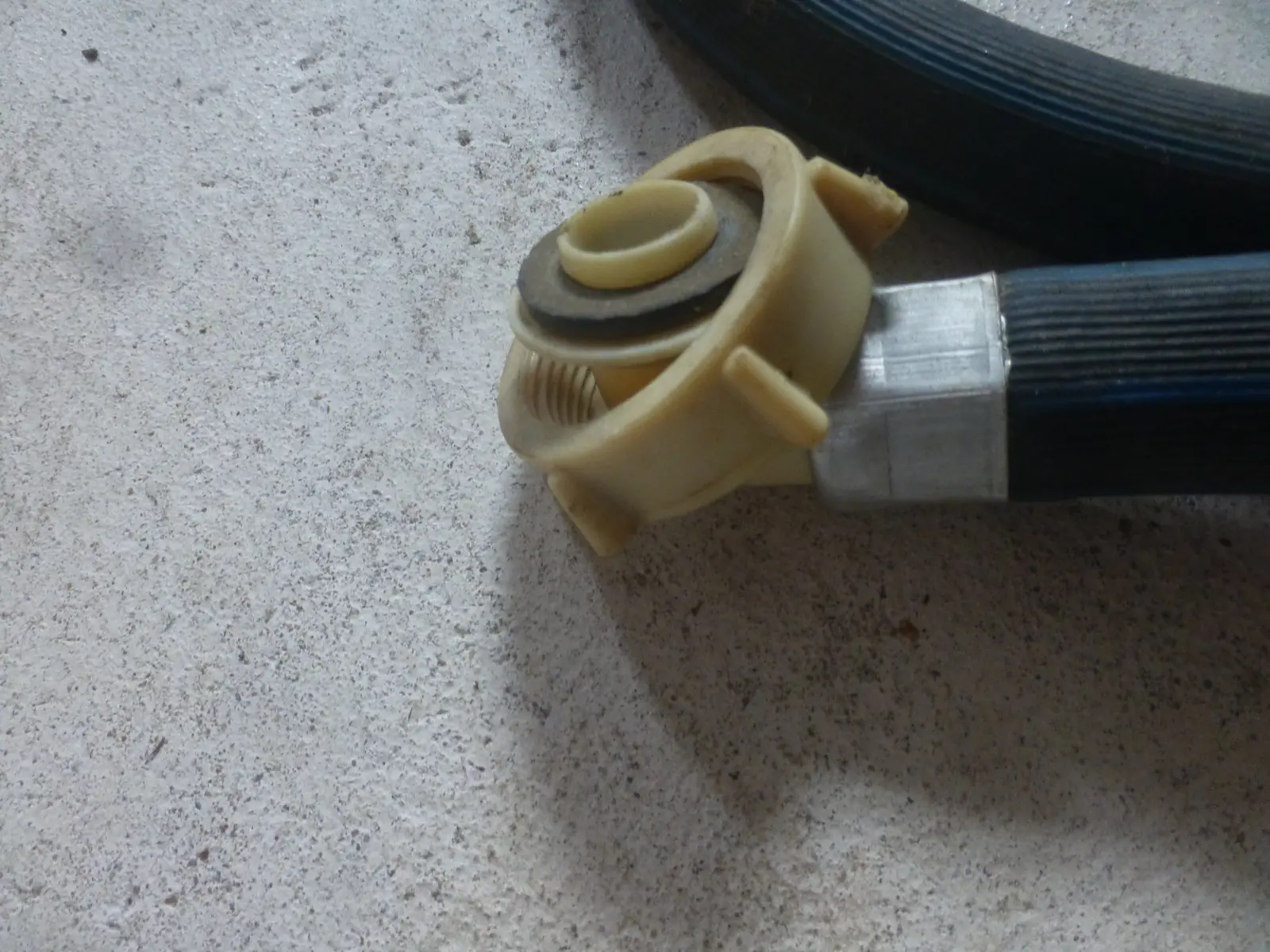
Inspect the visible drain hose. Look for a kink, crush, or external blockage. Electrolux documentation gives an insertion limit for some models; the exact instruction depends on your installation manual. Do not use a measurement from another washer.
Check: the hose is clear and positioned as the manual requires. If it didn't work: have a professional correct the installation.
Open a filter only if it is external and listed as user maintenance. Drain slowly. Remove only visible debris and never force a stuck cap.
Check: the filter is back in place and dry. If it didn't work: stop; internal pump or hose work needs a repairer.
Run one drain/spin cycle described in the manual. Stay nearby and watch whether water leaves and whether a leak appears.
Check: the cycle finishes without code or unusual noise. If it didn't work: give Electrolux the code, reference, and observations.
Describe exactly where the cycle stops
Before touching a filter, record whether water remains in the drum, whether the machine tried to drain, and when E20 appears. Hearing a pump does not prove water is moving; silence alone does not prove that the pump has failed. These observations help service without replacing a check against the exact product reference.
After any user maintenance allowed by the manual, check only the exterior: dry floor, filter closed correctly, and no visible kink in the hose. Stay nearby during a restart. If water leaks, the filter resists, or a new mechanical noise appears, stop instead of applying more force or repeating the cycle. Do not remove the lower panel or test a component while connected.
Give the technician the reference, a code photo, the remaining water level, and the programme stage. Say whether the code returns immediately or after a drain attempt. This separates observed facts from a guess about the pump.
When to stop and call a technician
Stop for a leak, water near an outlet, burning smell, hot plug, tripped breaker, grinding pump, or a filter that will not turn without force. Do not tip a washer full of water, remove a panel, or take live electrical readings. Internal pump, hose, and wiring checks require a technician.
Documented examples
Electrolux documents E20/E21/C2 as a drainage family and describes variants by display, beep, or flash count. The manufacturer directs users to the appliance manual before draining water or opening a filter. These examples show the alert patterns, not a test on one particular machine.
No ElectronixLab test model, production date, or measurement was supplied. Confirm drain-hose insertion and filter access in the manual for your model.
Interpret results before replacing a part
If the hose is visibly pinched, correct only what you can reach without forcing the appliance to move. If the hose looks clear but water remains, that does not prove the pump is blocked or failed. A dirty external filter, a restriction farther along the installation, or an internal condition can produce a similar result. The code identifies a symptom family, not the part to order.
Count a sound alert across several complete repeats. Note the time between groups and whether a text code also appears. On some products, lights signal the same event; on others, their pattern reports another state. A short video helps service distinguish repeated beeps from a programme indicator.
After approved maintenance, return every cap and hose to its original position before reconnecting power. A poorly seated connection can leak when the pump starts. Run one check and stay with the washer. If water does not drain, the code returns, or a leak appears, stop the test rather than repeating a cycle on a wet floor.
An insertion limit shown in some Electrolux help pages does not replace the installation diagram in your manual. The model, wall connection, and presence of a trap can change the required setup. If the hose disappears behind cabinetry or its fitting is not reachable, ask a plumber or installer to check it.
FAQ
Does E20 mean the pump is broken?
No. Electrolux describes a drain difficulty; an external restriction or accessible filter may contribute.
Are E20 and E21 identical?
Some Electrolux pages group them; confirm the variant for your model.
What do two beeps mean?
Electrolux associates two beeps or flashes with this family on some products. Count the full sequence and compare it with official guidance.
Can I open the filter with a full drum?
Only if your manual allows it. Unplug, drain gradually, and prepare a container.
Why does hose installation matter?
A kinked, blocked, or incorrectly positioned hose can prevent draining. The required position is model-specific.
Related guides and next step
- Electrolux washer-code index
- Washer will not drain
- Slow draining without a code
- Use the ElectronixLab error-code finder
Electrolux sources
- Electrolux — E20/E21/C2 and drainage (accessed November 7, 2026).
- Electrolux — cleaning and maintenance (accessed November 7, 2026).
Be the first to leave a comment.