Quick Fix — Try This First
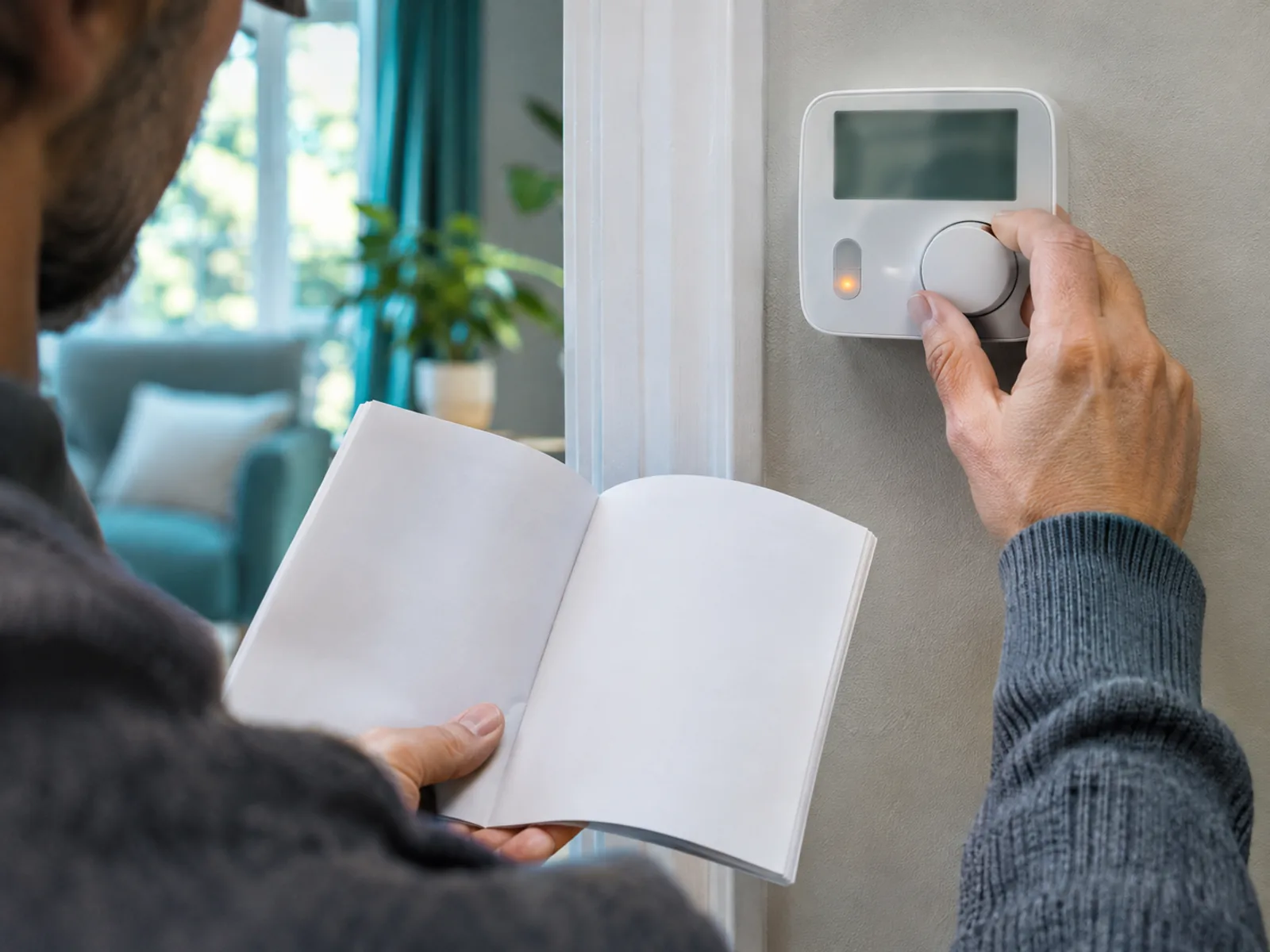
- Confirm the thermostat is in Heat mode and calling for heat.
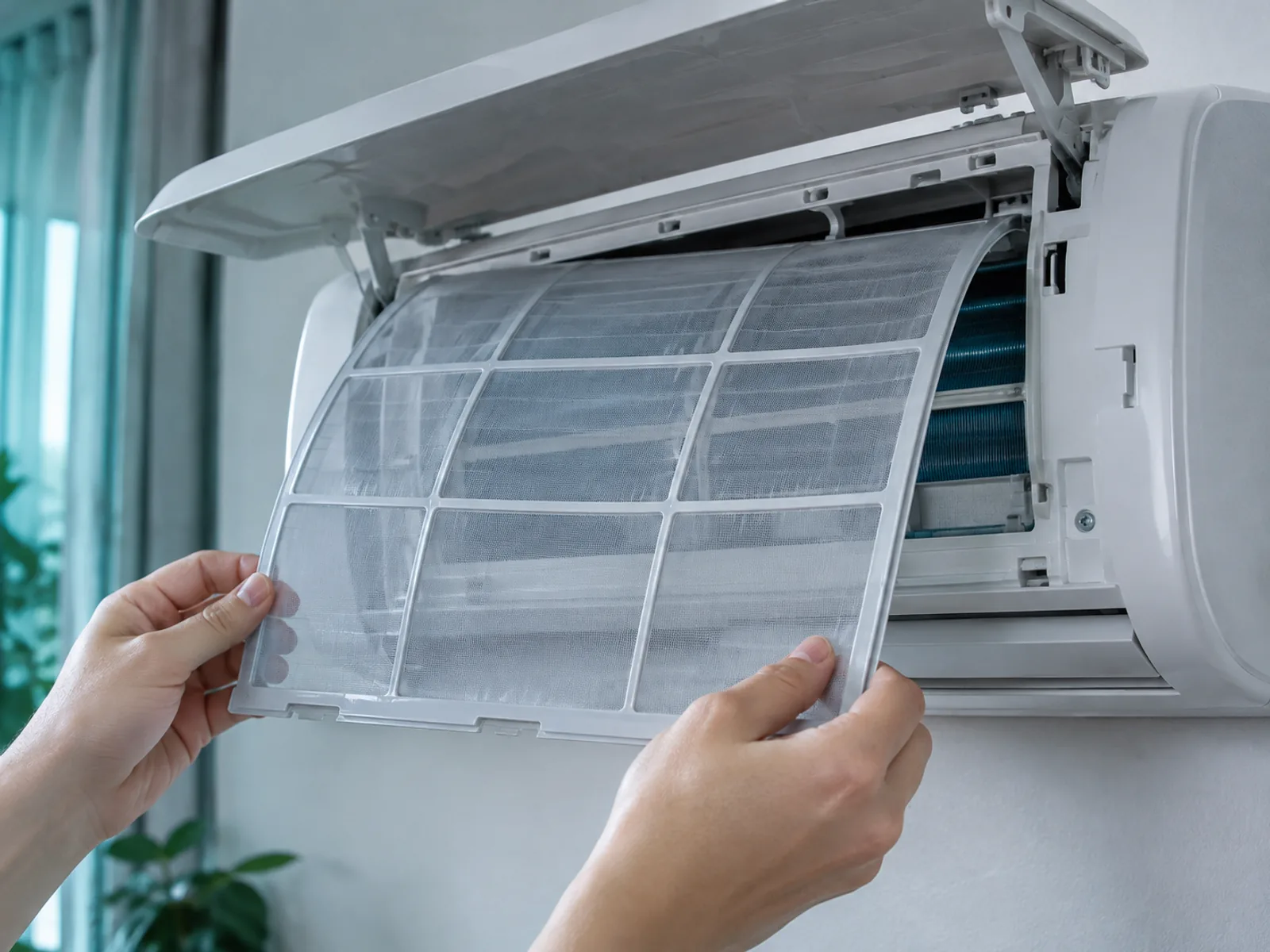
- Make sure accessible vents are not covered and check the filter as its manual directs.
- Look at the outdoor unit from a safe distance; remove only loose leaves or snow blocking airflow, without touching the coil or opening the cabinet.
- If the unit has light frost, let its automatic defrost cycle run and see whether heating resumes.
Check: airflow returns and the indoor temperature moves toward the setpoint. Otherwise, record any lights or message and call an HVAC technician.
If your heat pump is not heating, first separate a setting issue, restricted airflow, and a fault that needs a professional. Air that feels less hot than a radiator or a brief defrost cycle may be normal. Constant cold air, repeated shutdowns, or persistent ice calls for diagnosis. Controls and thresholds vary by make and model.
Safety: limit checks to controls, user-accessible filters, and visible outdoor conditions. Do not open an electrical panel, touch wiring or a fan, or work on the refrigerant circuit. If you smell burning, hear severe mechanical noise, see water on electrical parts, or a breaker trips again, stop the system and call a qualified professional.
Symptoms and likely causes
| Symptom | Likely cause | Next check |
|---|---|---|
| No start | Wrong mode or setpoint, power interruption, low thermostat batteries | Check displayed settings and accessible power; do not repeatedly reset a breaker. |
| Weak airflow | Loaded filter or covered vents | Check the user filter and clear accessible supply/return openings. |
| Cool air briefly, then heat returns | Possible automatic defrost cycle | Observe whether the cycle ends and heating resumes. |
| Constant cold air or outdoor unit encased in ice | Defrost, airflow, or refrigerant-system fault | Stop troubleshooting and request HVAC service. |
| Runs but never reaches the setpoint | Filter, obstruction, outdoor conditions, sizing, or a fault | Check the filter and outdoor clearance, then share symptoms with a technician. |
Safe checks, from simplest to most useful
1. Confirm mode and setpoint
Make sure the thermostat is set to Heat, not Cool or Off. If the system uses an automatic mode, check its manual to learn how it chooses between heating and cooling. Compare the setpoint with the displayed room temperature. For a battery-powered thermostat, replace batteries only if its screen reports low power and the manual describes that step.
Do not switch to “Emergency Heat” unless you understand your system: the mode is not available on every installation and may use a more expensive auxiliary source. Check: the screen shows Heat and an active call. If the unit stays silent, record any message or light and move to a visual power check.
2. Check the filter and openings
A clogged filter can restrict airflow and comfort. Follow the model instructions to locate and clean or replace only the user-accessible filter provided by the maker. Intervals vary: ENERGY STAR suggests checking filters in heating and cooling systems monthly while they are in use, while some ductless models use their own indicator. Follow a more specific schedule for your model.
Clear supply and return vents without removing fixed grilles. Our guide explains how to clean an air conditioner filter without damage; the heat pump maker’s instructions take priority for your unit. Check: the filter is clean or correctly replaced and airflow openings are visibly clear.
3. Inspect the outdoor unit without opening it
Look for leaves, branches, or loose snow covering the air path. Remove only loose debris from the ground and around the unit; do not scrape the coil, bend fins, pour hot water, or remove a guard. Do not walk on an icy surface or move the equipment. If packed snow or a heavy obstruction covers the coil, call for service.
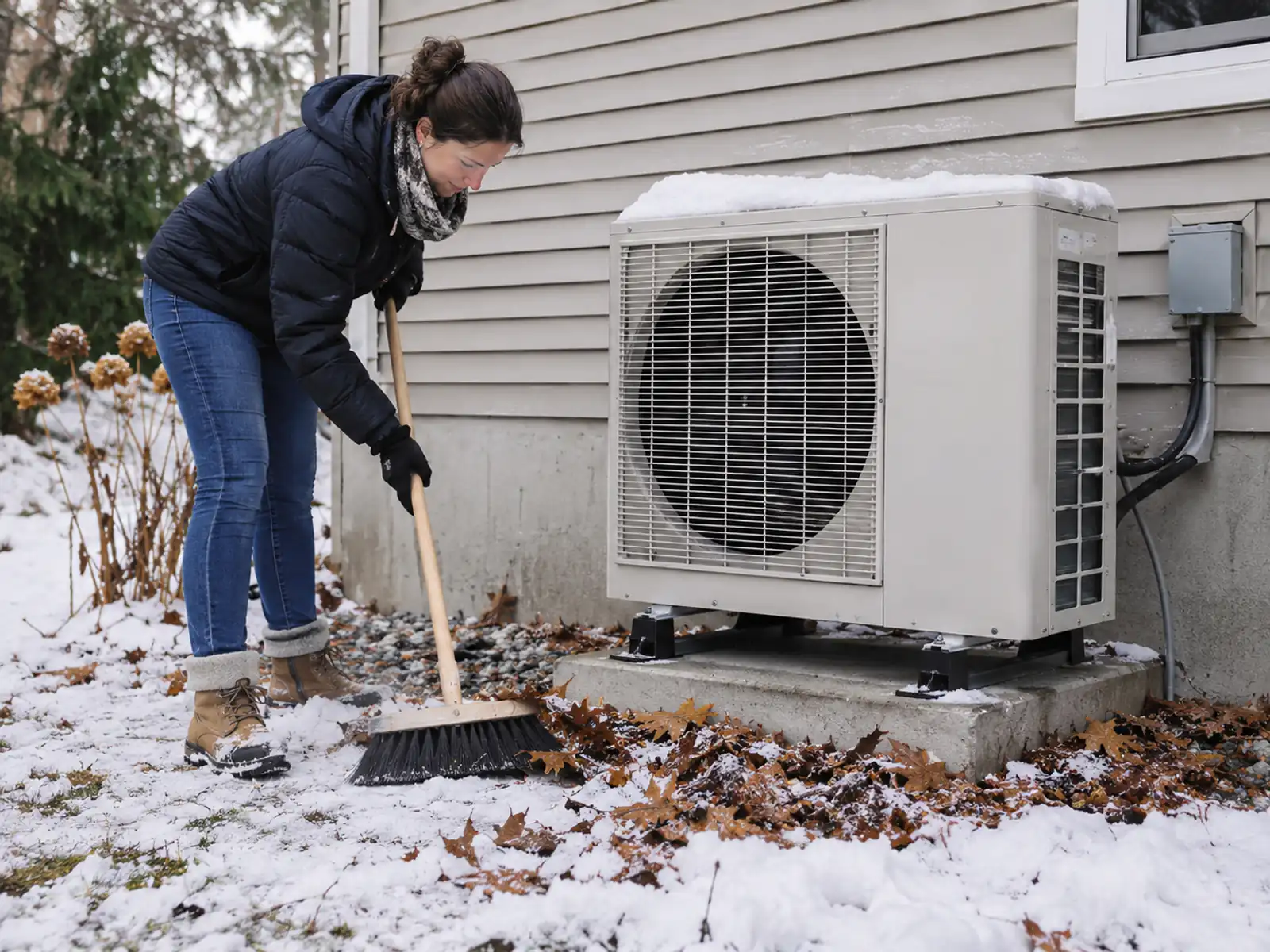
Carrier lists a dirty filter, incorrect thermostat setting, and tripped circuit breaker among common reasons a heat pump will not heat. Internal causes such as refrigerant charge, reversing valve, or defrost control are not homeowner repairs.
4. Tell defrost from a fault
In heating mode, condensation and light frost can form on the outdoor unit. The system may briefly pause heat output while it defrosts. Observe it from a distance: the cycle should allow heating to resume without manually manipulating controls or the unit. Steam above the equipment during this cycle may be normal, depending on the manufacturer.
If ice remains thick, returns quickly, covers the unit, or heating does not resume, stop troubleshooting. Do not break the ice or use a heat gun, salt, or hot water. Note the weather, displayed mode, and approximate symptom duration for the technician.
If the heat pump still will not heat
- Confirm the mode, setpoint, and any schedule that may reduce heating.
- Record any error code or status light without opening the cabinet; look it up for the exact model.
- Visually check for a tripped breaker only if the panel is dry, intact, and easy to access. If a breaker trips again, do not reset it; arrange service from a qualified electrician or HVAC technician.
- Contact the manufacturer or a professional if the system stays cold, stops repeatedly, leaks, vibrates severely, or keeps icing. Share the model, code, and checks already made.
A technician can diagnose electrical components, the reversing valve, refrigerant flow, and defrost controls. Do not take live measurements or release refrigerant.
Common mistakes
- Assuming a heat pump is faulty because its air feels less hot than a furnace, without observing the full cycle.
- Switching to emergency heat or changing a schedule without checking how backup heat works.
- Scraping ice, pressure-washing the coil, or opening the cabinet to “see whether the fan runs.”
- Resetting a breaker over and over after it trips.
When to call an HVAC technician
Call promptly if a breaker trips again, you notice a burning or electrical smell, the outdoor unit remains encased in ice, the equipment leaks oil or makes a metallic noise, or heating does not resume after external checks. Refrigerant leaks, reversing-valve faults, and electrical failures require a qualified person with the right equipment.
Frequently asked questions
Why does my heat pump blow cool air?
A brief cool-air interval can happen during defrost, but constant cold airflow should not be assumed normal without checking. Confirm Heat mode and call for service if heating does not resume.
Is frost on a heat pump normal?
Light frost can form in winter and then clear during automatic defrost. Thick or persistent ice that blocks the coil should be reported to a technician; do not break it off.
Can I clean the heat pump filter myself?
Yes, if the manual identifies it as user-accessible and explains how to clean or replace it. Follow the shutdown instructions and reinstall a fully dry filter in the correct position.
Should I reset the heat pump breaker?
A tripped breaker can signal a fault. Do not reset it repeatedly; if it trips again, leave the circuit off and arrange service.
Next step
For planned owner checks between service visits, see our heat pump maintenance checklist. For a wall-mounted air conditioner, learn how to clean its compatible filter. Ask your local service provider for an inspection schedule appropriate to your model and climate.
Sources
- Carrier, causes and checks when a heat pump will not heat, published September 15, 2026; accessed November 16, 2026.
- ENERGY STAR, heating system and filter maintenance, accessed November 16, 2026.
- U.S. Department of Energy Building Science Education, homeowner heat pump guide, accessed November 16, 2026.
Last updated: November 16, 2026.
Be the first to leave a comment.